From a single brown bean, this is the story of how coffee shaped Vietnam’s history, people, and identity.
Your Vietnamese coffee exploration starts here.
-HENRY BUI-
13/04/2026
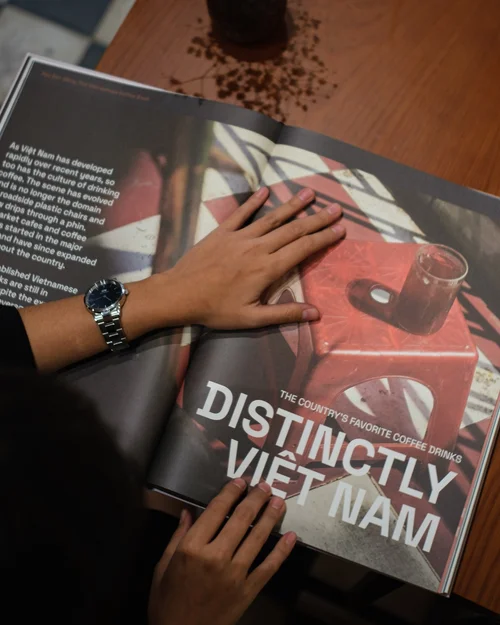
I picked up Đặc – Đen – Đắng with the simple assumption that coffee in Vietnam didn’t need much explanation. It’s everywhere—on sidewalks, street corners, and in everyday routines—so familiar that people rarely stop to think about it. But this book challenges that sense of familiarity. Instead of just celebrating coffee on the surface, it uses it as a way to explore something deeper: a story shaped by history, economic change, and the people behind the industry. From its early arrival to how Vietnam became one of the world’s leading coffee exporters—especially in Robusta—the book doesn’t tell a straight, linear story, but reveals how everything is connected through time, choices, and cultural shifts.
Your Vietnamese coffee exploration starts here…
Coffee is deeply rooted in the culture of Việt Nam, an intrinsic part of the country’s history and society for over a hundred years. But have you ever wondered how Việt Nam became a global coffee powerhouse, the role coffee played in President Hồ Chí Minh’s rise to power, or how a small brown bean lifted thousands out of poverty and created a coffee culture unlike any other?
Đặc Đen Đắng: The Vietnamese Coffee Book answers these questions and more. It shares the story of Việt Nam and its coffee, tales of people who work in the country’s booming coffee sector, and the role coffee has played in shaping Việt Nam since the arrival of the first beans more than 160 years ago.
Chapter 1: Coffee 101
Coffee thrives in nutrient rich volcanic soil found in many areas around the world. It requires plentiful rainfall and mild climates which appear in regions throughout Việt Nam. Each variety of coffee has its own ideal growing conditions and the process from bean to cup is intricate. The cultivation, processing, and roasting techniques are fundamental to create a balanced drink that is as unique as the region it comes from. Understanding this framework leads to a greater appreciation of both coffee and Việt Nam.
Chapter 2: History of Coffee
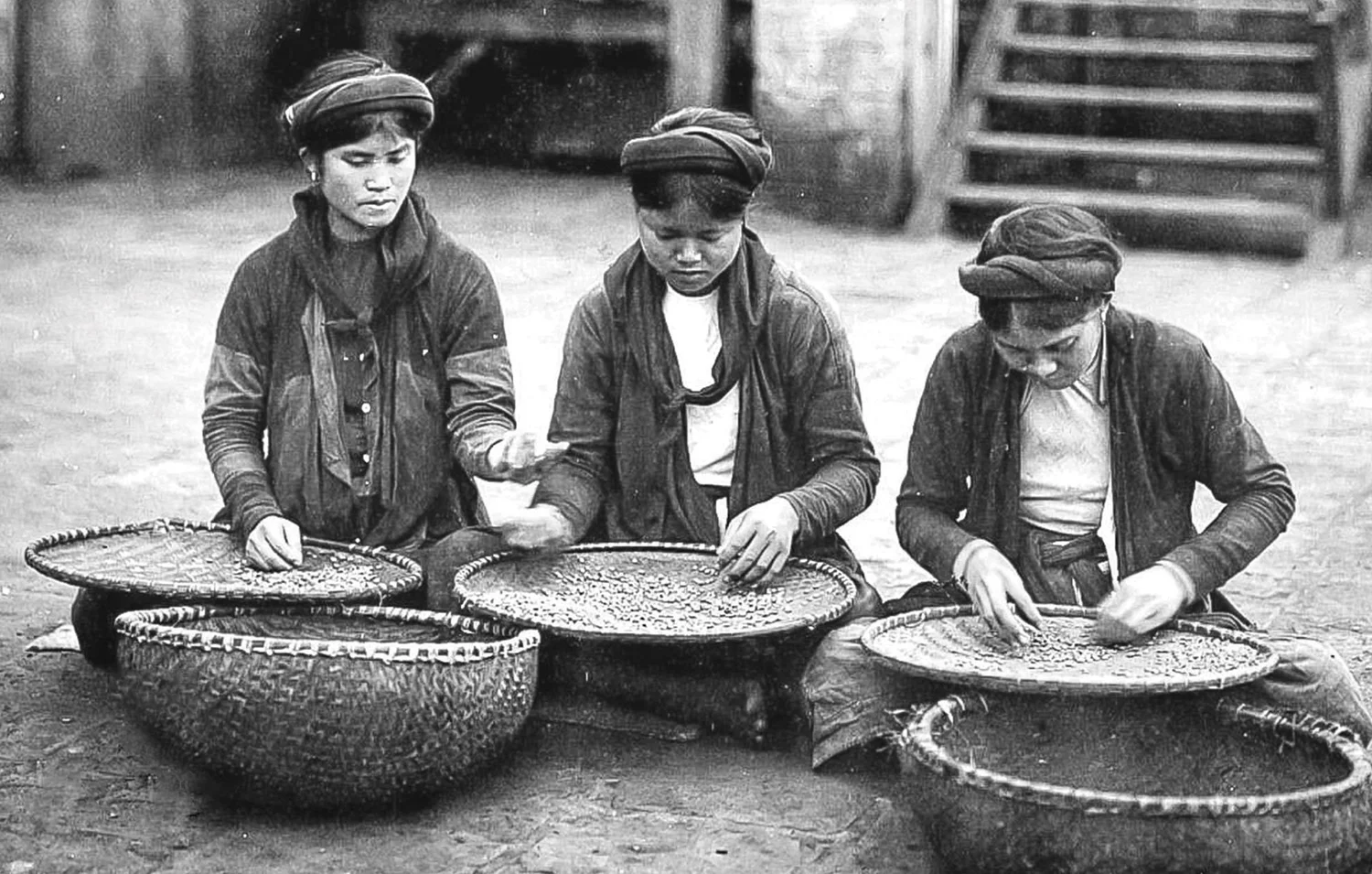
Tea has long been considered one of the most traditional drinks of Việt Nam and has played a foundational role in Vietnamese society for thousands of years. However, ever since French missionaries brought the first seedlings to the country over 160 years ago, coffee has come to have a more significant impact on the country’s culture and livelihood.
Chapter 3: Historic Cafés
In a country where a good cup of coffee is rarely more than a few steps away, Việt Nam has made coffee drinking an experience brimming with culture, history, and heritage. Savoured, rather than rushed, coffee drinking creates an opportunity to pause, escape the heat, or shelter from the rain. Café culture has also become a staple around the country. Today, both Hồ Chí Minh City and Hà Nội are over flowing with modern cafés and hole-in-the-wall shops, but there are a few remaining that date back to a time when Vietnam’s coffee origins.
Chapter 4: Local Stories
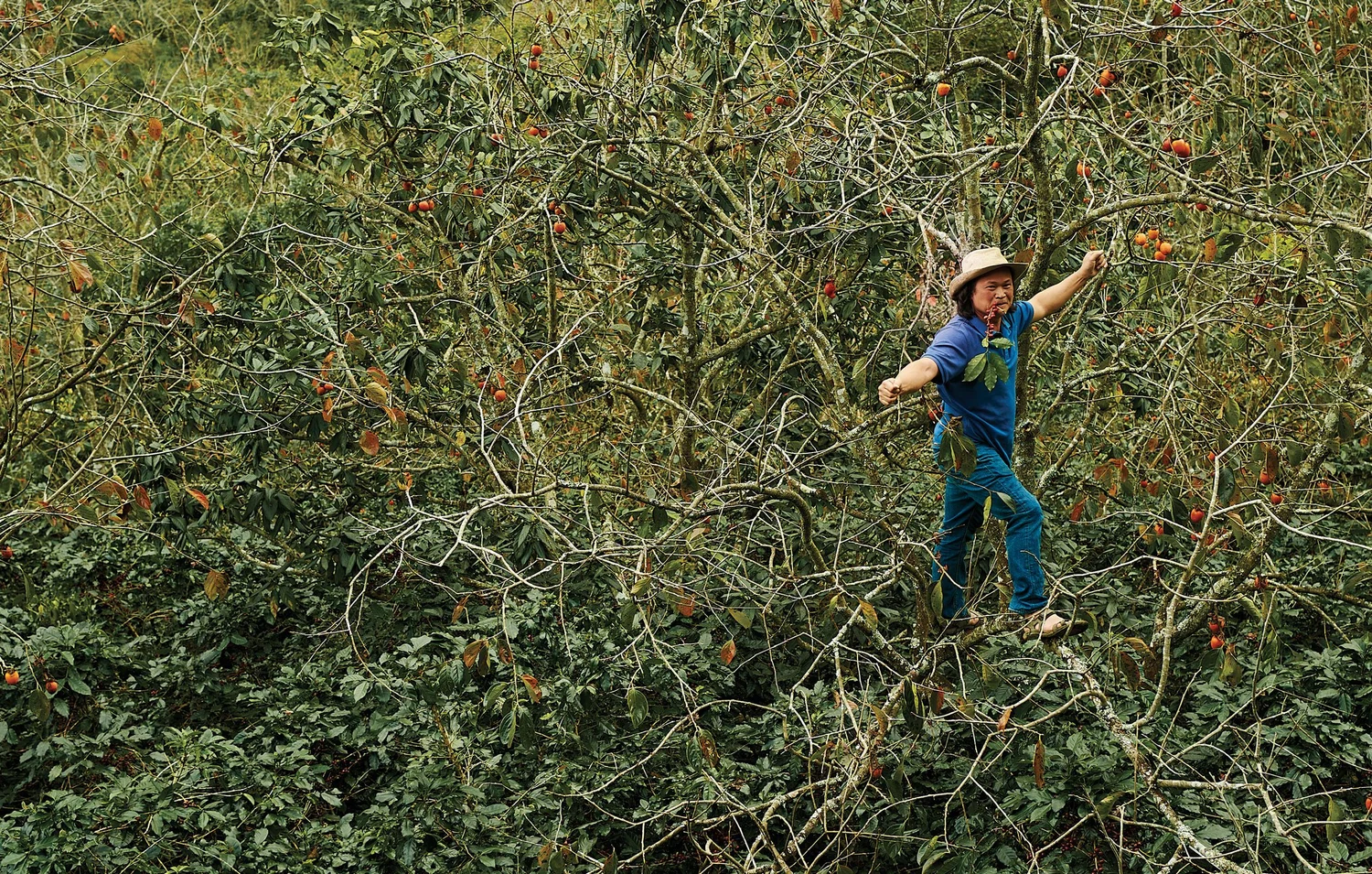
The production of coffee is a craft. In Việt Nam, much of this craft has long focused on quantity over quality. However, there is a growing number of those within the country’s industry that have adapted their focus to more sustainable practices. Those included in this group are farmers specialising in high quality Robusta, traders focused on the relationship between smaller producers and their buyers, and others who share knowledge of modern and traditional methods with their communities.
Chapter 5: Movers and Shakers
As Vietnam’s coffee continues to improve, a group of coffee-preneurs have emerged with a shared vision to enrich the country’s coffee culture. They are working along all links of the farm-to-cup value chain to raise the calibre of Vietnamese coffee and open up new markets both domestically and abroad. Those included within the group have opened Vietnam’s first specialty cafés and work directly with farmers to improve their cultivation and processing methods, thus improving the quality of their coffee.
This review references information and materials from the official website of Đặc Đen Đắng official website.
What stands out is how the book shifts your perspective beyond coffee itself. Each cup is no longer just something you drink, but the result of a much bigger story—one that stretches across generations, places, and livelihoods. That’s where Đặc – Đen – Đắng finds its strength: not in explaining coffee, but in placing it within the broader context of a country that is constantly evolving. By the end, coffee feels less like a daily habit and more like a lens through which you can better understand Vietnam.
Rather than trying to give a final answer, the book gently changes the way you see things. It leaves you with a quieter awareness—that what seems ordinary is often built on layers of history and unseen effort. Coffee, in this sense, is no longer just a drink, but a reflection of something larger. And maybe that’s the most lasting impact of the book: not what it tells you directly, but how it changes the way you look at what has always been there.
Let the music settle in—and fall into the pages
Notes Café began with a simple and deeply personal curiosity. Rather than merely reviewing cafés or describing flavors in a subjective way, we chose to explore coffee through a wider lens — looking at the culture, the people, and the everyday stories that exist around the coffee bean.
Through carefully selected articles, Notes Café hopes to help readers see coffee from a deeper perspective — not only as a drink to enjoy, but as a reflection of culture, place, and the rhythm of everyday life behind every cup.
The content at Notes Café is shaped by real-life experiences and the ongoing exploration of people who share a passion for coffee.
Notes Café offers a slower, deeper perspective on the world of coffee — where knowledge, stories, and cultural experiences come together around every cup.